
How to Read a Nutrition Label as a Keto Eater
A line-by-line decoder for the nutrition label — serving size, total carbs, fiber, sugar alcohols, added sugars — built around what a low-carb shopper actually checks.

The nutrition label looks like a simple grid of numbers, but a keto shopper reads it in a different order and checks different lines than someone counting calories. Total carbs, fiber, sugar alcohols, and added sugars all interact in ways that change what a product actually costs you carb-wise — and the front-of-pack claims frequently disagree with what the back panel says.
Start at the top: serving size
Every number on the label is scaled to the serving size, which is the single most-overlooked line on the panel. A bag that “contains 2 servings” doubles every number below if you eat the whole thing. This sounds obvious in the abstract, but it’s the most common way a product that looks like “4g net carbs” turns out to be 8g once you’ve eaten the actual portion in front of you. Read the serving size and the servings-per-container before looking at anything else, every time.
The total carbohydrate line is your ceiling
Total Carbohydrate is the line that matters most for a keto eater, and it already includes fiber, sugar alcohols, and sugars — it is not a number you add other lines to, it’s the number the other lines are subtracted from. This trips people up constantly: total carbs is the whole pie; fiber and sugar alcohols are slices of that same pie you may be allowed to subtract, not separate numbers stacked on top.
Fiber: subtract it, within reason
Dietary Fiber is a subset of total carbohydrate that the body doesn’t fully digest and absorb as glucose, which is the entire logic behind “net carbs” (total carbs minus fiber). This math is reasonably solid for whole, intact fiber sources — vegetables, whole flaxseed, chia. It gets shakier with isolated fibers added to processed low-carb products (inulin, chicory root fiber, soluble corn fiber), where the evidence on how fully the body actually “doesn’t absorb” them is less consistent, and some people report a real glycemic or digestive response to large doses of these isolated fibers that the net-carb math doesn’t capture. Net carbs is a useful estimate, not a guarantee — if a low-carb product with a lot of added isolated fiber doesn’t sit right, that’s a real signal, not just in your head.
Sugar alcohols: read the specific one, not the category
Sugar Alcohol is its own line, separate from sugar, and it’s where a lot of “sugar-free” products hide their sweetening strategy. The mistake is treating all sugar alcohols as equivalent — they are not:
| Sugar alcohol | Approx. calories/g | Glycemic impact | Net-carb subtraction reasonable? |
|---|---|---|---|
| Erythritol | ~0.2 | Negligible | Yes, in most cases |
| Xylitol | ~2.4 | Low–moderate | Partially |
| Maltitol | ~2.1–3.0 | Moderate (notably higher) | No — often still spikes blood sugar |
| Sorbitol | ~2.6 | Low–moderate | Partially |
Maltitol is the one worth specifically watching for, because it’s common in “sugar-free” candy and chocolate and carries a real glycemic response — a product that lists maltitol and subtracts the full amount from net carbs can still meaningfully affect blood sugar. Erythritol is the outlier at the friendly end, with negligible absorption and negligible glycemic impact, which is why it shows up in most electrolyte and sweetener products marketed toward keto and fasting audiences. Read which sugar alcohol is listed, not just that one is present.
Added Sugars vs. Total Sugars
Total Sugars includes everything sweet in the product, both naturally occurring (like the lactose in dairy or fructose in fruit) and added. Added Sugars, a separate line under it, isolates only what was added during processing. For a keto eater, both lines matter, but for different reasons: total sugars (minus what’s clearly natural, like in plain dairy) tells you the real glycemic load, while added sugars tells you whether a product marketed as “healthy” or “clean” is quietly sweetened anyway. A product can say “no added sugar” and still carry meaningful total sugar from fruit concentrate or other natural sources — the phrase describes the process, not the final sugar content.
Front-of-pack claims that need the back panel to verify
- “Keto-friendly” / “low-carb” — not a regulated term; always check total carbs and fiber yourself.
- “Sugar-free” — legally means less than 0.5g sugar per serving, but says nothing about sugar alcohols or total carbs, which can still be high.
- “No sugar added” — means no sugar was added during processing; the product can still contain natural sugars.
- “Net carbs” printed on the front — a manufacturer’s own calculation, not an FDA-defined or verified figure; recompute it yourself from total carbs and fiber if the math matters to you.
A practical reading order
- Serving size and servings per container — scale everything below to how much you’ll actually eat.
- Total Carbohydrate — your real ceiling before any subtraction.
- Dietary Fiber — subtract for net carbs, more confidently for whole fiber sources than isolated ones.
- Sugar Alcohol — check which one; treat maltitol differently from erythritol.
- Added Sugars — the tell for whether “healthy” packaging is sweetened anyway.
- Ingredient list — confirms what the front-of-pack claims imply; ingredients are listed by weight, so what’s near the top matters most.
The bottom line
Reading a nutrition label as a keto eater means starting at serving size, treating Total Carbohydrate as the number everything else is subtracted from (not added to), subtracting fiber with more confidence for whole sources than isolated ones, and checking which specific sugar alcohol is listed rather than assuming they’re interchangeable — maltitol behaves very differently from erythritol despite sitting on the same label line. Front-of-pack claims like “keto-friendly,” “sugar-free,” and “net carbs” are marketing language or manufacturer calculations, not regulated guarantees, so the back panel and the ingredient list are where the real answer lives. If you’re managing diabetes or another condition where carb counting has medical stakes, work from your clinician’s or dietitian’s specific counting method rather than general label-reading habits alone.
More to read

Does Stevia Spike Insulin? Reading the Evidence Without Hype
What the controlled human trials actually show on steviol glycosides and the acute insulin response, and where the conflicting headlines are coming from.
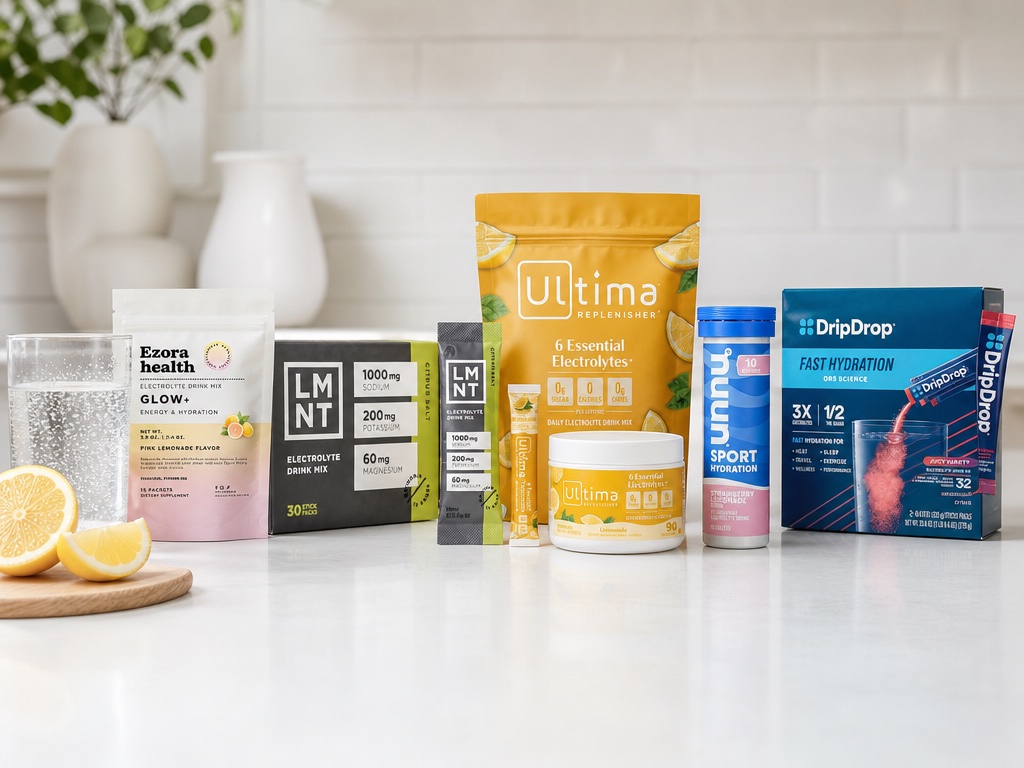
Best Sugar-Free Electrolytes: 5 Picks Ranked Honestly
A label-first ranking for keto, low-carb and fasting readers — scored on added sugar, sodium-to-potassium ratio, sweetener choice and the absence of maltodextrin.
Sugar-Free vs. No Added Sugar: Not the Same Thing
Untangling two label claims people routinely confuse, what each allows, the difference between naturally occurring and added sugar, and why to check the panel.