
Hidden Sugars in Healthy Electrolyte and Sports Drinks
How added sugar sneaks into drinks marketed as performance or wellness, the serving-size tricks to spot, and what no added sugar really means.
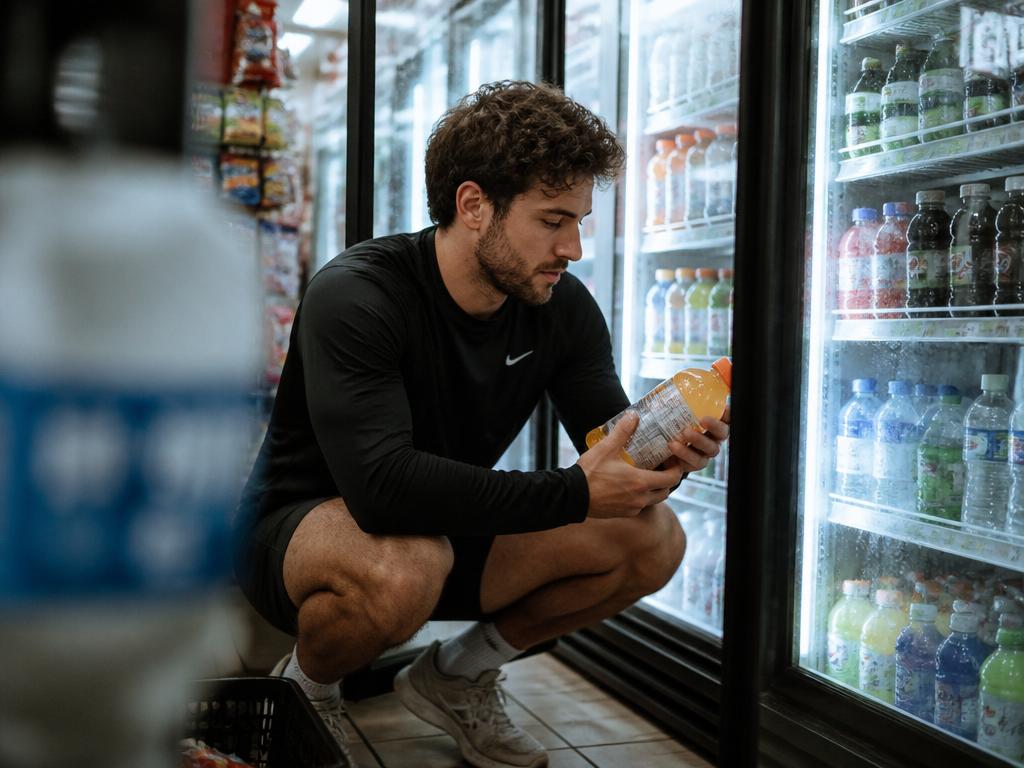
A drink can promise hydration, performance, or wellness on the front and still deliver a meaningful dose of sugar on the back. For anyone cutting sugar, the label is where the real story lives.
Spotting added sugar on a label
The nutrition panel is your most reliable tool, and on many labels it now separates total sugars from added sugars, which makes the job easier than it used to be.
What to look for:
- The “added sugars” line, where present. This tells you how much sugar was put in, as opposed to sugar that occurs naturally in an ingredient. For a drink marketed as performance or wellness, a notable added-sugars figure is worth pausing on.
- The ingredients list. Sugar can appear under many names, so scan for the whole family, not just the word “sugar.” If a sweetener of any kind sits near the top of the list, it is a large part of the product.
- Multiple sweeteners spread out. A common tactic is to use several different sugars, each appearing lower on the list, so no single one looks dominant even though together they add up.
The catch is that “sugar” wears dozens of disguises on an ingredients list, which is a topic in its own right. The short version: words ending in “-ose,” various syrups, and several “natural”-sounding sweeteners all count. Front-of-pack language like “performance,” “electrolyte,” or “wellness” tells you nothing about any of this. Only the panel does.
Serving-size sleight of hand
Even an honest nutrition panel can mislead if you do not check the serving size, and this is one of the most common ways sugar content gets understated in the reader’s mind.
The trick works like this:
- The numbers are per serving, not per container. A bottle that looks like a single drink may be listed as two or more servings. The sugar figure you glance at might be half or a third of what you would actually consume by finishing it.
- Serving sizes can be unintuitive. A portion that few people would actually stop at can make the per-serving sugar look modest.
- “Per serving” claims inherit the same issue. A front-of-pack boast about low sugar “per serving” means little if the serving is small and you will drink the whole thing.
A simple defense:
| Step | What to check |
|---|---|
| 1 | Servings per container |
| 2 | Sugar per serving on the panel |
| 3 | Multiply if you will finish the container |
Always do that quick multiplication when the container holds more than one serving. The realistic sugar load is per-serving sugar times the number of servings you actually drink, not the comfortable single-serving number printed on the panel.
What “no added sugar” really means
Claims on the front of the pack are governed by specific rules, and understanding what they do and do not promise prevents a lot of misplaced confidence.
A few distinctions worth holding:
- “No added sugar” addresses what was put in, not what is there. It signals that sugar was not added during processing. It does not mean the product is sugar-free, because some ingredients carry naturally occurring sugars that still count and still affect you.
- “Sugar-free” is a different claim. Broadly, it points to a product containing at most a tiny, regulated amount of sugar per serving. It is not the same as “no added sugar,” and the two are routinely confused.
- Neither claim covers everything you might care about. A product can be “no added sugar” and still carry calories, naturally occurring sugars, or sweeteners. And a “sugar-free” product may rely on non-nutritive sweeteners, which is a separate consideration from sugar itself.
The practical upshot is to treat front-of-pack claims as a starting point and then verify on the panel. If a drink says “no added sugar,” check the total sugars and the ingredients to see what is naturally present. If it says “sugar-free,” check what is doing the sweetening. The claim narrows the possibilities; the panel confirms the reality.
For sugar-conscious readers, including those eating low-carb or fasting, this matters because a single sweetened drink can quietly undercut the day’s goals. Reading the label is not paranoia; it is the only way to know what you are actually drinking.
The bottom line
Drinks marketed as healthy, performance, or electrolyte products can still carry hidden sugar, and front-of-pack language reveals none of it. Read the panel for added sugars and scan the ingredients for sugar’s many aliases, always checking servings per container and multiplying when you will finish more than one. Understand that “no added sugar” speaks to what was added, not whether sugar is present, while “sugar-free” is a separate, stricter claim. In every case, verify on the back rather than trusting the front.
More to read

How to Read a Nutrition Label as a Keto Eater
A line-by-line decoder for the nutrition label — serving size, total carbs, fiber, sugar alcohols, added sugars — built around what a low-carb shopper actually checks.

Does Stevia Spike Insulin? Reading the Evidence Without Hype
What the controlled human trials actually show on steviol glycosides and the acute insulin response, and where the conflicting headlines are coming from.
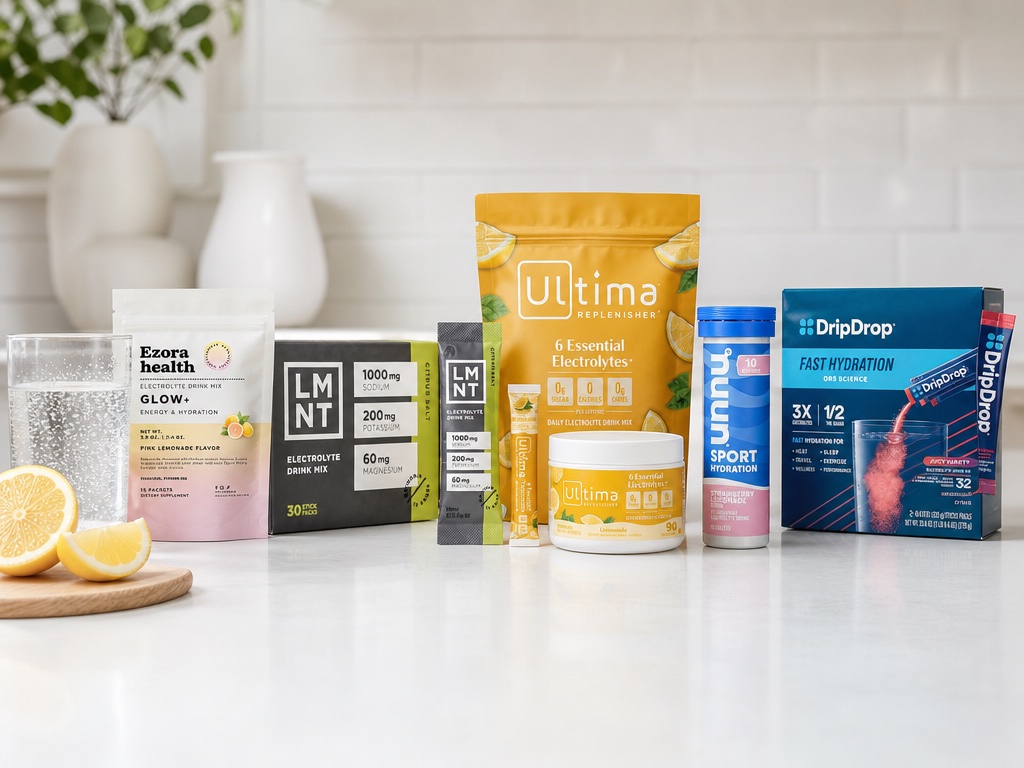
Best Sugar-Free Electrolytes: 5 Picks Ranked Honestly
A label-first ranking for keto, low-carb and fasting readers — scored on added sugar, sodium-to-potassium ratio, sweetener choice and the absence of maltodextrin.