
Whole-Food Electrolytes for Low-Carb: Eating Your Minerals
Getting sodium, potassium, and magnesium from low-carb foods instead of drinks, with potassium and magnesium sources and broth and salting strategies.
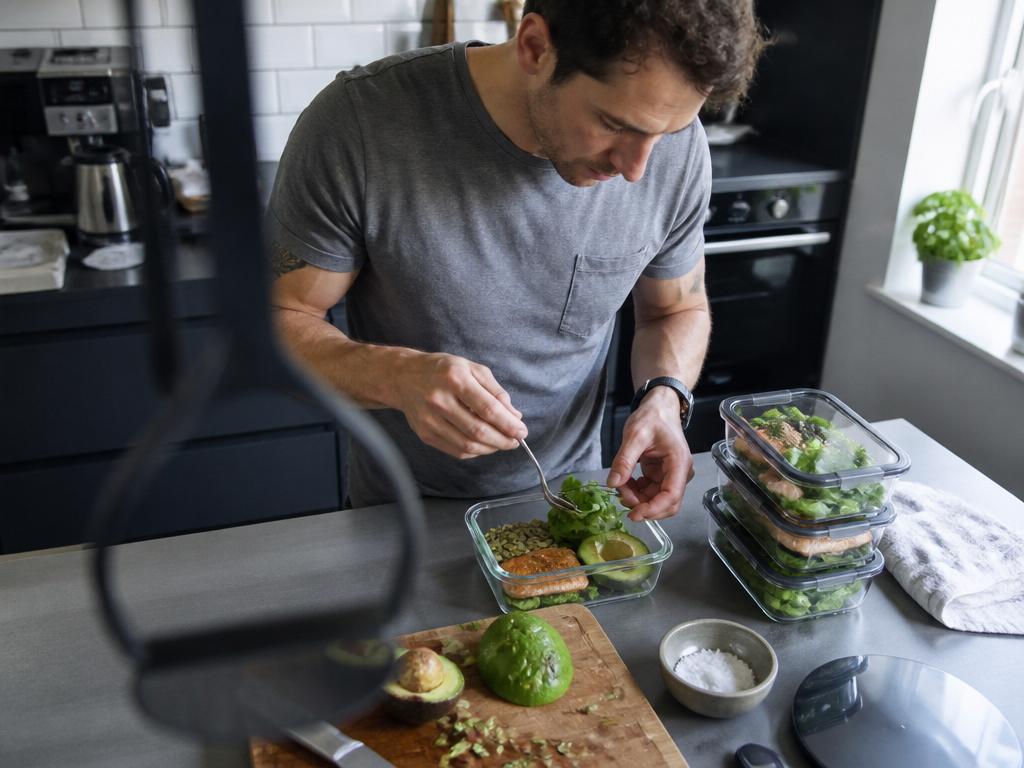
You do not need a powder to cover your electrolytes. For most low-carb eaters, the kitchen handles the job, and food brings minerals in a form that is hard to overdo.
Low-carb potassium sources
Potassium is the electrolyte low-carb eaters most often under-eat, partly because some of the richest everyday sources, like potatoes and bananas, are off the menu. The fix is to lean on low-carb foods that are quietly potassium-dense.
Strong low-carb potassium choices:
- Avocado. One of the best low-carb sources, calorie for carb. It pulls double duty with magnesium too.
- Leafy greens. Spinach, chard, and similar greens contribute potassium with negligible carbohydrate.
- Salmon and other fish. A solid contributor alongside protein and fats.
- Mushrooms. An easy, low-carb way to add potassium to almost any dish.
- Avocado’s company in the produce drawer. Zucchini and other low-starch vegetables add up across a day.
The strategy that works is variety and volume. No single food carries a day’s potassium on its own at low-carb portions, so the realistic approach is to include several of these across meals rather than hunting for one hero ingredient. A salad of greens with avocado and salmon, for instance, layers three potassium sources in one plate.
A note of caution: potassium from food is sensible for most people, but very high-dose potassium supplements are a different matter and not something to self-prescribe, especially with kidney or heart concerns or relevant medication. Food is the safer lane.
Magnesium-rich keto foods
Magnesium is a mineral many people run low on regardless of how they eat, so it is worth deliberate attention. Low-carb eating offers plenty of magnesium-rich options.
Reliable low-carb magnesium sources:
- Pumpkin seeds. Among the more concentrated everyday sources, and easy to add to meals or eat as a snack.
- Spinach and other leafy greens. Magnesium as well as potassium, which makes greens a recurring theme for good reason.
- Almonds and other nuts. Convenient, though portioned with their carbohydrate and calories in mind.
- Avocado. Again, a low-carb multitasker.
- Dark chocolate. A small amount can contribute, with an eye on its sugar and carbohydrate.
Here is how a few of these stack up at a glance:
| Food | Minerals it helps with |
|---|---|
| Avocado | Potassium, magnesium |
| Spinach | Potassium, magnesium |
| Pumpkin seeds | Magnesium |
| Salmon | Potassium |
| Broth | Sodium |
The overlap is the point. Greens and avocado show up in both the potassium and magnesium columns, so building meals around them does a lot of work at once.
Broth and salting strategies
Sodium is the one electrolyte where low-carb eaters often need to add rather than just choose well, because cutting processed carbs strips out a lot of hidden salt at the same time. Two simple habits cover most of it.
Salt your food to taste. This sounds almost too basic, but reflexively under-salting is common, and for a generally healthy low-carb eater, salting food to taste is a reasonable way to keep sodium where it needs to be. Taste is a decent guide here.
Use broth or bouillon, especially during the transition. A warm cup of broth is a low-effort way to take in sodium and fluid together, which is why it gets recommended so often for the rough early days. It is also easy to make a habit of, and it pairs well with a diet that already features roasts, bones, and slow-cooked dishes.
A few ways to fold these in:
- A cup of broth in the afternoon during the first week or two
- Salting eggs, vegetables, and meats without apology
- Adding salt to the water you cook vegetables in
- Finishing dishes with a flaky salt for both flavor and sodium
The important boundary applies here as elsewhere: deliberately increasing sodium is not right for everyone. If you have high blood pressure, kidney disease, heart failure, or take medication affecting fluid or sodium, the broth-and-salting approach should be cleared with a clinician rather than adopted on general advice.
The bottom line
A whole-food approach covers electrolytes well for most low-carb eaters. Build potassium from avocado, leafy greens, fish, and mushrooms; cover magnesium with pumpkin seeds, greens, nuts, and avocado; and handle sodium by salting to taste and using broth, particularly early on. Food brings these minerals with a built-in safety margin, so reserve high-dose supplements for genuine gaps and check with a clinician first if you have kidney, heart, or blood-pressure concerns.
More to read

Magnesium Glycinate vs Citrate vs Malate: Which Form for Keto Cramps
Bioavailability, GI tolerance, and the practical spec differences between magnesium glycinate, citrate, and malate for the cramps that wake keto eaters at 3 a.m.

Best Salt for Keto: Pink, Sea, Kosher, Table — What's the Difference?
A spec-sheet comparison of pink Himalayan, sea, kosher, and table salt for keto — mineral content per gram, iodine, and how each one actually delivers sodium.

Best Electrolytes for Keto Flu: What the Label Should Show
A spec-criteria walk through the panel — sodium, potassium, magnesium, added sugars — for choosing an electrolyte mix during the first two weeks of low-carb.